
Supply Chain
Latest News
Advertisement
Latest Videos


Shorts
0:41
AI Spoofing: A Supply Chain Risk for 2027
12 days ago
by
Kerem Tokel
1:02
How Automation and Real-Time Monitoring Strengthens the Supply Chain
6 months ago
by
Anthony "TJ" Rizzo

0:56
How AI and Data Integration Revolutionize Pharmacy Supply Chains
8 months ago
by
Valerie Bandy, PharmD(+1 more)
0:54
The Crisis of Drug Shortages in Modern Healthcare
8 months ago
by
Valerie Bandy, PharmD(+1 more)

0:50
The Shocking Lack of Preparedness in Modern Hospitals
8 months ago
by
Valerie Bandy, PharmD(+1 more)
0:49
A PC Synopsis
8 months ago
by
Nicholas Saraceno, Senior Editor
1:33
PC Poetry Corner
8 months ago
by
Nicholas Saraceno, Senior Editor
0:35
How Small Companies Use AI to Topple Giants
8 months ago
by
Nicholas Saraceno, Senior Editor(+1 more)
0:45
Why Your Competitors Are Beating You to the Punch
9 months ago
by
Nicholas Saraceno, Senior Editor(+1 more)
0:50
How AI is Revolutionizing Pharmaceutical Supply Chains
9 months ago
by
Nicholas Saraceno, Senior Editor(+1 more)
Podcasts
Advertisement
More News
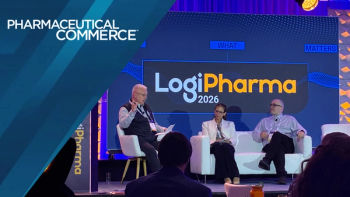
At LogiPharma USA 2026, quality leaders explained why connected data, risk-based prioritization, and human accountability must come before AI in supply chain compliance.
Swisslog's Mark Beers discusses how software helps pharma supply chains adapt to shifting portfolios, strengthen inventory verification and build trust.
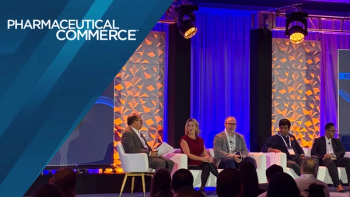
At LogiPharma USA 2026, leaders from J&J, Sun Pharma, Accord Healthcare, and Freehand discussed visibility, redundancy tradeoffs, and AI's role in resilient pharma supply chains.
McKesson's Chris Van Norman previews his LogiPharma USA keynote on demand signal sharing, AI, and precision distribution for targeted therapies.

LogiPharma's Charleen Ring and McKesson's Chris Van Norman preview the 2026 agenda, sessions to prioritize and a day two fireside chat.
Cardinal Health and McKesson moved to extend CVS Health distribution deals through June 2032, retaining their largest customer pending final contracts.

Inside the October 2026 issue: why splitting MMR takes years, why payers cite a price that does not bind them, and what pricing rules broke.
The earliest development decisions shape everything that follows, from launch timelines and investor confidence to long-term market success.

Cencora's Ameer Ali on the operational lift behind the 12-digit NDC shift, the readiness gap across manufacturers and what's at stake for product flow if systems aren't ready in time.

Temperature excursions cost pharma an estimated $35 billion a year as biologics, GLP-1s and cell and gene therapies raise cold chain stakes.

Informa's invitation-only Leadership Summit returns to CPHI Milan Oct. 6 as executives weigh sourcing, medicine security and reshoring pressure.

DSCSA data exchange has matured into daily operations, but the coming NDC-12 shift and a national licensure standard add new work streams before old ones are fully settled.

Gregg Gorniak explains how AI, RFID and serialized data are helping trading partners move DSCSA compliance from a regulatory checkbox to a source of shared operational value.

Twenty-six manufacturers now hold most-favored-nation agreements, and the commitments attached to the pricing terms may matter more than the prices themselves.

Overhaul's Danny Ramon argues that quality and regulatory teams, not just logistics, need faster protocols and more accessible stability data, since stolen or compromised product that re-enters the supply chain through gray markets can ultimately reach patients.
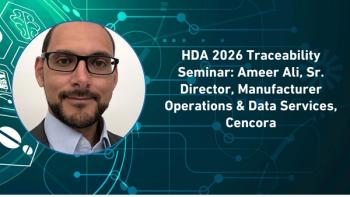
Cencora's Ameer Ali explains why trading partners' systems, not the NDC-12 deadline itself, determine whether product keeps moving through the supply chain during the transition.

AI-native operating systems present new capabilities to improve pharma supply chain operations.

The acquisition formalizes a nearly decade-old partnership as independent pharmacies lean on cooperatives to offset PBM reimbursement pressure and closures.

Nine more manufacturers join the MFN program, pairing new Medicaid pricing deals with $19.6B in U.S. manufacturing investment and API reserve donations.
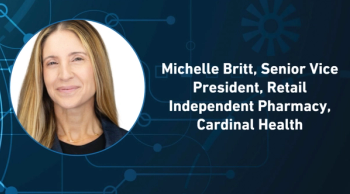
Cardinal Health's Michelle Britt discusses how independent pharmacies are expanding clinical services and leaning on distributor partnerships to meet evolving patient and community needs.
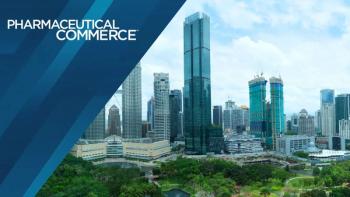
IAG Cargo has added a Kuala Lumpur station to its Constant Climate network, its 13th in Asia-Pacific, as regional biologics and personalized medicine demand accelerates.

One Vaccine, Three Supply Chains: The Hidden Consequences of Splitting MMR
Published: | Updated:
Separating the combination MMR shot into three vaccines would not just change how children are immunized. It would require building three new supply chains from a licensing base that does not yet exist.
Episode 2 of Supply Chain Signal breaks down the July 31 and September 29 Section 232 deadlines and the proposed generics tariff plan, and what they mean for reshoring.

DSCSA verifies package movement, but resilience requires visibility into capacity, quality and sourcing risk.

Across pricing, supply chain, and patient support, the playbooks of pharma commercialization are being rewritten at once for a new era.
Advertisement
Advertisement
Trending on Pharmaceutical Commerce
1
Epic, Amazon, Cost Plus Announce Point-of-Care Cash Price Tool
2
BioPharma Supply Chains of the Future: What to Know About Localization
3
Predicting Excursions and Right-Sizing Shippers: Two Paths to a Leaner Cold Chain
4
Inside Cencora's Approach to AI-Driven Demand Sensing
5