

Opinion
Latest News
Advertisement
Latest Videos


Shorts

0:39
Why Drug Price Cuts Don’t Make Sense for Development Incentives
a year ago
by
Nicholas Saraceno, Senior Editor(+1 more)
Podcasts
Advertisement
More News

What 2025 means for the life sciences sector in the New Year.

Despite steady growth since the Drug Quality and Security Act, outsourcing facilities remain constrained in scale and scope, offering targeted mitigation rather than systemic relief for persistent shortages.

Merck’s decision to shutter its Riverside, PA antibiotic API facility underscores how decades of cost-driven optimization have eroded domestic manufacturing of essential medicines—exposing systemic vulnerabilities in US drug supply resilience that markets alone are unlikely to fix.

When intelligence flows across clinical, access, and engagement channels, commercialization shifts from reactive to predictive, giving teams the real-time edge to win in a fast-moving market.
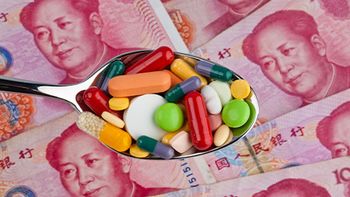
A US-China Economic and Security Review Commission report highlights China’s tightening grip on APIs, biomanufacturing, and R&D services, raising alarms about supply chain vulnerabilities, data transparency gaps, and the urgent need for US policy action.
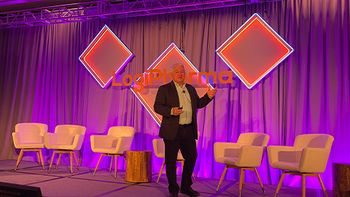
Bayer’s Luiz Barberini highlights how artificial intelligence is transforming supply chain operations, while emphasizing the irreplaceable value of trust, transparency, and human relationships.

New bipartisan legislation would give the FDA authority to modernize prescribing information, reducing waste while improving accuracy and patient care.

Addressing the most common concerns surrounding the legislation intended to establish interoperability within the pharma supply chain.

Payer-level reporting should do more than track performance—it must guide strategy, focus resources, and drive measurable brand impact.
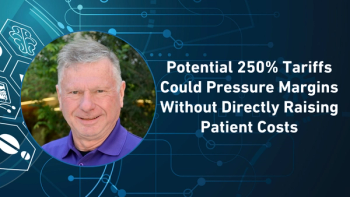
In the first part of his Pharma Commerce video interview, Dave Malenfant, a healthcare supply chain expert, explains how steep pharmaceutical import tariffs might affect costs at different points in the supply chain, why component pricing poses a bigger risk than active ingredients, and how insurers, distributors, and manufacturers may negotiate to shield patients from price increases.

In the seventh part of this roundtable discussion, key opinion leaders uncover how pharma companies can mitigate tariff impact through duty drawback programs and smart technology investments, without overreacting or overhauling manufacturing footprints unnecessarily.

Why startups and life sciences companies should approach this booming sector with extreme caution.
Advertisement
Advertisement
Trending on Pharmaceutical Commerce
1
CVS Health’s Breakup: A Turning Point for Pharma Supply Chains or a Redistribution of Market Power?
2
When Drug Pricing Collides With Politics
3
Pharma Pulse: Lilly and Hims & Hers Team Up, Swisslog Expands Tenutō Cold Storage
4
Idle US Capacity Could Anchor Generic Drug Reshoring, APIIC Says
5