




Manufacturing & Packaging
Latest News
Advertisement
Latest Videos

Shorts
1:33
PC Poetry Corner
15 hours ago
by
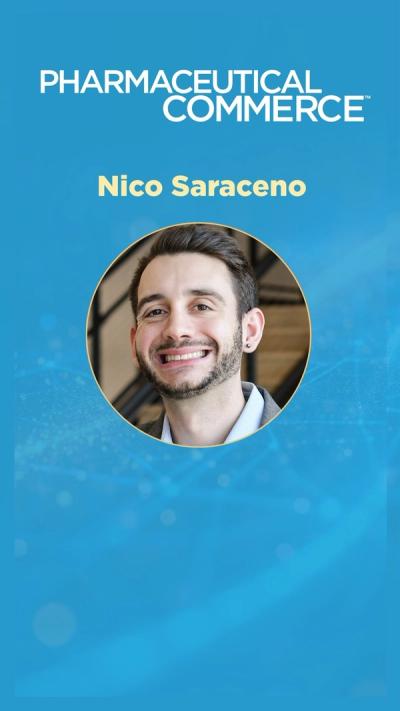
Nicholas Saraceno, Senior Editor
0:49
Why Holistic Thinking Fails in the Tariff Debate
2 months ago
by
Nicholas Saraceno, Senior Editor(+1 more)
0:57
Operationalizing DSCSA compliance Into Business as Usual
2 months ago
by
Nicholas Saraceno, Senior Editor(+1 more)
0:57
The Value of Cold Chain Tech in Providing Pharma Delivery
4 months ago
by
Nicholas Saraceno, Senior Editor(+1 more)
0:58
Unlocking Sustainability
4 months ago
by
Nicholas Saraceno, Senior Editor(+1 more)
Podcasts
Advertisement
More News
The company will participate in the Trump administration’s direct-to-patient drug platform, while committing $100 billion to US R&D and manufacturing.
The pharma giant will invest in a 35,000-square-foot RLT manufacturing site in Winter Park, FL as part of its $23 billion US infrastructure expansion.

The pharma giant becomes the latest manufacturer to participate in the Trump Administration’s direct-to-patient pricing platform, aligning US drug costs with European benchmarks while reinforcing its domestic manufacturing investments.
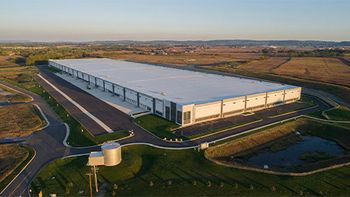
A new Foreign Trade Zone–enabled facility in Annville strengthens the company’s temperature-controlled, compliant logistics capabilities, while accelerating customs processing and last-mile healthcare delivery.
Merck’s decision to shutter its Riverside, PA antibiotic API facility underscores how decades of cost-driven optimization have eroded domestic manufacturing of essential medicines—exposing systemic vulnerabilities in US drug supply resilience that markets alone are unlikely to fix.
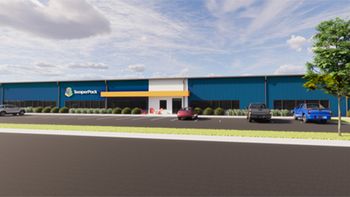
The sustainable packaging company relocates its branded foam production to a more expansive Lansing site, boosting capacity, efficiency, and support for growing demand in the life science market.
The South Korea–based CDMO acquires its first US manufacturing facility in Rockville, MD, expanding its global footprint and strengthening biologics capacity.

The CDMO’s latest GMP-qualified line strengthens sterile manufacturing scalability.
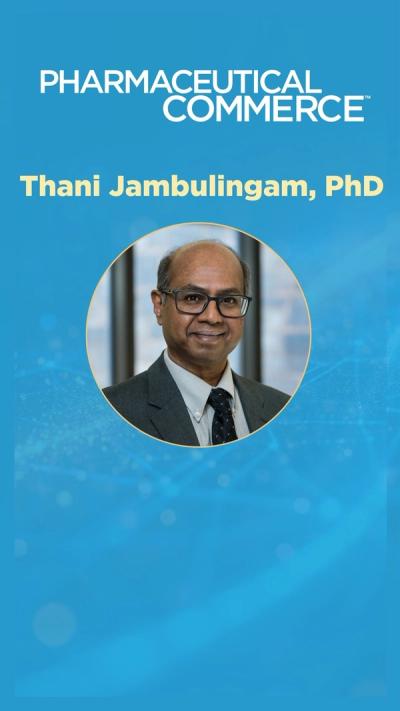
In a discussion on global trade disruption, Thani Jambulingam, PhD, professor of food, pharma, and healthcare business at Saint Joseph’s University’s Erivan K. Haub School of Business, explains why pharmaceutical manufacturers must move beyond broad assumptions about tariffs and instead assess trade risk at the individual product level.
The pharmaceutical giant’s new 700,000-square-foot hub aims to onshore production of key medicines and strengthen the US drug supply chain.
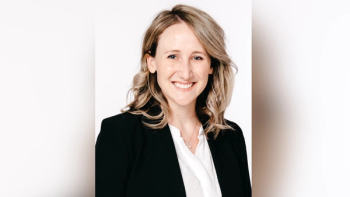
CoverMyMeds’ Megan Wetzel unpacks the forces behind rising specialty spend, the real impact of access barriers, and how field reimbursement teams help providers guide patients through today’s fragmented system.

AI-powered control towers and digital twins are emerging as essential tools to prevent costly supply chain failures and restore operational reliability.
Welcome to Pharma Pulse, a Pharmaceutical Commerce podcast where we bring you the latest insights shaping patient access, supply chain/logistics, data & tech, and healthcare innovation. I’m your host, and let’s get into today’s headlines.

The entrepreneur urges the Trump administration to eliminate costly FDA generic drug fees, part of a broader push to scale domestic production, address shortages, and challenge PBM-driven pricing models.
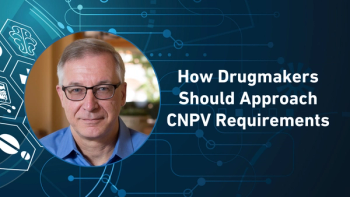
In the first part of his Pharma Commerce video interview, Ed Schoonveld, value and access advisor for Schoonveld Advisory and author of The Price of Global Health, explains that affordability is only one pathway to securing a voucher—and reducing list prices isn’t the only way to demonstrate value.
In today’s Pharma Pulse, a structured exercise program is proven to manage persistent long COVID symptoms, while Regeneron commits $150 million upfront to Tessera for a gene writing therapy targeting AATD, and Strive Pharmacy invests in a massive Arizona facility to boost national personalized medicine capacity.
In today’s Pharma Pulse, a US-UK trade agreement mandates that the UK’s NICE agency raises its QALY threshold, increasing access to innovative drugs and much more.
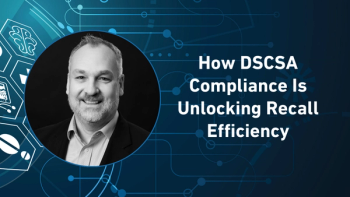
In the final part of his Pharma Commerce video interview, Dan Walles, VP & GM, traceability and compliance solutions, TraceLink, notes that while DSCSA was designed for compliance, its first major business value is enabling targeted recalls.

The agreement includes exemptions for UK-produced drugs and medical devices from Section 232 tariffs, but mandates a significant change to the UK's NICE value appraisal framework.
In the second part of his Pharma Commerce video interview, Dan Walles, VP & GM, traceability and compliance solutions, TraceLink, describes how initial EPCIS setup issues quickly give way to operational challenges—missing data, mismatched shipments, and suspect product alerts. Dispensers that succeed are the ones developing repeatable, cross-partner exception workflows.
In the third part of his Pharma Commerce video interview, Brad Stewart, BDO’s national life sciences co-leader, explains that while the FDA has not defined the specific level of manufacturing commitment needed to improve US supply chain resilience, applicants for the voucher should focus on linking unique or rare disease therapies—particularly in areas like oncology—with domestic onshoring efforts to move their applications to the top of the pile for selection.
Pharma Pulse: RSV Protection Wanes, AstraZeneca Invests Big, and Novo Nordisk Faces Pipeline Setback
A new Pharma Pulse briefing unpacks declining RSV vaccine durability in older adults, AstraZeneca’s $2 billion expansion of its US biologics manufacturing footprint, and the stock-shaking Phase III struggle affecting Novo Nordisk’s Alzheimer’s ambitions.
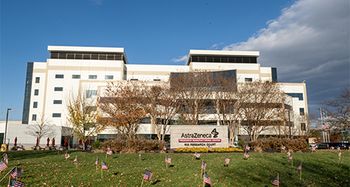
The pharmaceutical giant will be nearly doubling biologics production in Frederick and build a new clinical supply facility in Gaithersburg, projects that will create thousands of jobs, enhance US supply chain resilience, and advance its growing rare disease portfolio.
While studies reveal the complex, varying, and long-lasting burden of Long COVID symptoms, biopharma giants Novartis and Moderna commit significant capital to new facilities, reinforcing US drug supply resilience in today’s Pharma Pulse.
In the first part of his Pharma Commerce video interview, Brad Stewart, BDO’s national life sciences co leader, explains why large-volume, high-need drugs—especially those heavily sourced overseas—may be the strongest candidates, and how the pandemic’s supply chain lessons are influencing the program’s future direction.
Advertisement
Advertisement
Trending on Pharmaceutical Commerce
1
Pharma Pulse: AstraZeneca’s US Setback and Europe’s Medicine Marathon
2
How AI Orchestration Is Reinventing Healthcare Supply Chain Resilience
3
ORBIS Acquires Robinson Industries to Boost Reusable Packaging and Thermoforming Capabilities
4
How AI Ecosystems Could Transform Pharma Demand and Crisis Response
5